Protect Commercial Plumbing: Denver Maintenance Tips & Strategies
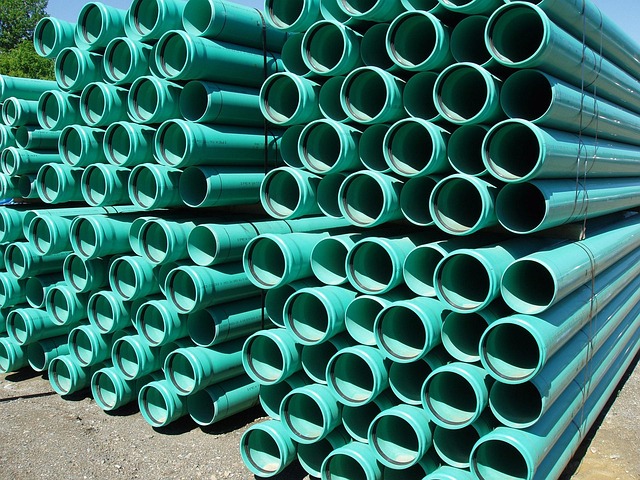
Commercial plumbing installation Denver is subject to stringent CDPH regulations. Adherence ensures…….
Welcome to an in-depth exploration of the vital component of urban infrastructure, Commercial Plumbing Installation Denver. This article aims to dissect a critical aspect of modern city development—the design, implementation, and impact of plumbing systems tailored for commercial spaces in the vibrant metropolis of Denver, Colorado. By delving into this topic, we uncover the intricate relationships between plumbing technology, economic growth, sustainability, and urban planning. Denver’s unique landscape offers an intriguing case study, showcasing how efficient and innovative plumbing installations can shape a city’s future.
Commercial plumbing installation specifically refers to the setup of plumbing systems within commercial buildings, encompassing offices, retail stores, hotels, and industrial facilities. In Denver, this involves designing and implementing water supply, drainage, waste removal, and heating/cooling systems tailored to meet the specific needs of various business types. Key components include:
Plumbing has evolved significantly over centuries, from ancient Roman aquaducts to modern, sophisticated systems. In Denver’s context, the city’s growth in the late 19th and early 20th centuries led to the development of robust plumbing infrastructure. The need for efficient water supply and sanitation became paramount as Denver transformed from a frontier town into a bustling metropolis. Over time, commercial installations have become more complex, incorporating advanced materials, energy-efficient technologies, and stringent environmental standards.
Commercial plumbing installation is not merely about functionality; it shapes the health, safety, and productivity of businesses and their occupants. In Denver, where extreme weather conditions and a diverse economic base challenge infrastructure, specialized plumbing systems are essential. These installations contribute to:
Denver’s approach to commercial plumbing installation has global implications due to the city’s reputation as a model for sustainable urban development. Internationally, there is a growing emphasis on:
Varied regional factors shape the landscape of commercial plumbing installation:
| Region | Key Trends | Unique Challenges |
|---|---|---|
| North America | Focus on energy efficiency, smart building technologies, and decentralized water management. | Extreme weather events necessitate robust, resilient plumbing systems. |
| Europe | Stricter environmental regulations, emphasis on renewable energy integration in plumbing. | Diverse cultural preferences and historical building stock present design challenges. |
| Asia Pacific | Rapid urbanization drives demand for efficient, compact plumbing solutions. | Limited space and resource constraints require innovative designs. |
| Middle East & Africa | Emphasis on large-scale projects, water recycling, and desalination technologies. | Arid climates pose significant challenges for sustainable plumbing practices. |
The commercial plumbing installation market in Denver is dynamic and multifaceted:
Market Size: The city’s robust economy and continuous urban development drive a steady demand for new and upgraded commercial plumbing systems. Recent estimates suggest a market value of over $500 million annually.
Growth Drivers:
Investors recognize the strategic value of commercial plumbing installations:
Plumbing installations have a ripple effect on the local economy:
Technology is revolutionizing commercial plumbing installation in Denver:
Sustainability is a driving force behind technological advancements:
The future holds immense potential for:
Denver’s commercial plumbing installations operate within a robust regulatory framework:
Key legislative actions impact the industry:
Despite its advancements, Denver’s commercial plumbing installation landscape faces several challenges:
Addressing these issues requires strategic interventions:
Project: A leading tech company constructed a state-of-the-art office building with a focus on sustainability.
Features: Implemented rainwater harvesting, solar water heating, and low-flow fixtures. Integrated smart plumbing to monitor water usage.
Outcomes: Reduced water consumption by 40% in the first year, resulting in significant cost savings. The building achieved LEED Platinum certification, enhancing its reputation as an eco-friendly employer.
Context: An old industrial area underwent revitalization, transforming into a bustling commercial hub.
Solution: The project incorporated modern, efficient plumbing systems to attract new businesses. This included decentralized water management and advanced waste treatment.
Impact: The renewed area attracted over 50 new businesses, creating jobs and stimulating local economy growth. Efficient plumbing reduced operational costs for tenants, ensuring long-term success.
Objective: A hotel chain aimed to minimize its environmental footprint while enhancing guest experiences.
Approach: Designed with efficient water recycling systems, solar heating, and smart showerheads. Implemented a comprehensive wastewater treatment process.
Benefits: The eco-friendly approach attracted environmentally conscious travelers, boosting occupancy rates. The hotel achieved significant water savings, reducing operational costs.
The future holds promising opportunities for Denver’s commercial plumbing industry:
Commercial plumbing installation is a critical component of sustainable urban development, and Denver stands as a testament to its importance. By embracing technological advancements, implementing stringent regulations, and fostering innovation, the city has created a thriving commercial environment while ensuring environmental stewardship. The future prospects for this industry in Denver are promising, with potential breakthroughs in smart cities, microgrids, and biomimicry revolutionizing urban infrastructure.
As Denver continues to grow and evolve, efficient, resilient plumbing installations will remain essential to supporting its diverse economy and enhancing the quality of life for its residents. This article offers a comprehensive overview, highlighting the multifaceted nature of commercial plumbing installation and its profound impact on the city’s progress.
Q: How do I know if my commercial building needs a plumbing upgrade?
A: Regular water pressure issues, frequent clogs, or outdated fixtures are indicators. Energy bills can also hint at inefficiencies. A professional assessment is recommended to identify areas for improvement.
Q: What incentives are available for adopting green plumbing practices?
A: Denver offers various tax credits and rebates for installing low-flow fixtures, solar water heaters, and rainwater harvesting systems. Check the city’s website or consult a local expert for detailed information.
Q: Can smart plumbing systems really reduce operational costs?
A: Absolutely! Smart meters and IoT devices enable real-time monitoring, allowing businesses to optimize water usage and energy consumption. This can lead to significant cost savings over time.
Q: How do I choose a reliable plumbing contractor for my commercial project?
A: Ensure they have a valid license, check their past projects, and request references. Online reviews and industry certifications are valuable resources for making an informed decision.
Q: What is the role of water conservation in commercial plumbing?
A: Water conservation reduces strain on municipal supplies, prevents waste, and can lead to significant cost savings for businesses. Denver’s strict water efficiency standards play a crucial role in promoting sustainable practices.
Commercial plumbing installation Denver is subject to stringent CDPH regulations. Adherence ensures…….